
Discovering a leak under your home is one of those problems that instantly makes your stomach drop. The pipe is not there, you do not know the extent of the damage, and even the thought of your floors collapsing in on themselves is very stressful. That is where water line tunneling repair steps in as a total lifesaver. Tunneling also allows the experts to repair the leak underground without leaving your home to be a construction site, as you would do by tearing up your floor or foundation.
This guide from Masters Touch Plumbing Solutions walks you through how the process works, what to expect, and how to stay ahead of future plumbing problems.
Why Water Line Tunneling Repair Matters for Leaks
The leaks in your plumbing under the house are not merely a problem. They may severely affect the building. When leaks go unnoticed, they weaken the foundation, lead to mold growth, and cause soil erosion.
That’s why many plumbers in Celina, TX recommend water line tunneling repair instead of tearing out the floor. It is not as polluting, not as harmful, and much less disturbing. You do not have to move out of your house, as the work is being done underground, which is actually valued by the majority of homeowners.
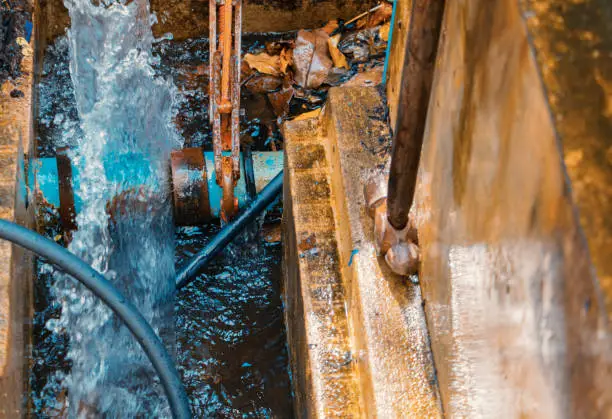
Step 1: Identifying the Leak Location
The initial stage of the process is to identify the exact location of the leak. Moisture meters, cameras, and pressure tests are used by plumbers to achieve an accurate spot-on reading. This is an important step since the entire tunnel is based on the right place.
Losing the spot to the plumber would make the entire repair process time-consuming. This is the reason why professional engineers depend on sophisticated diagnostic equipment to avoid speculation in water line tunneling repair.
Step 2: Planning the Tunneling Path
After confirming the leak, the crew begins water line tunneling repair to access the problem. They determine the distance between the outer wall of the house and the point of the leak, calculate how deep they have to go, and investigate the safety situation.
This is a planning process to ensure the tunnel is not too deep, as this causes it to strike the pipe, but not too stable not to collapse. It takes a lot of engineering so that everything can run smoothly, efficiently, and safely. The homeowners should not worry about the details. The rest is in the hands of a tunneling crew.
Step 3: Digging the Access Tunnel
This is the part most homeowners find fascinating. The workers performing water line tunneling repair do not want to break your house down. They just dug a horizontal tunnel under the house. An average of 3 to 4 feet tall is normally the height of the tunnel, which allows a technician to crawl into the pipe easily. It can be very dramatic, but the work is actually very regulated and systematic.
Removal of soil is carried out in steps, and support equipment holds the tunnel in place. Your house will not be torn down, no tiles will be ripped away, no jackhammer will be blowing, and no dust clouds will be in the house. That’s the magic of water line tunneling repair. A big fix with minimal disruption.
Step 4: Repairing or Replacing the Damaged Pipe
Once the pipe is exposed, the real plumbing work begins. Depending on the damage, the plumber may:
- Patch a small leak
- Replace a section of pipe
- Fit a new long-term, reliable line.
Since they are working in a wide-open tunnel, plumbers would gain easy, clear, and ample access to the point of issue. This allows them to operate more quickly and accurately in comparison to having to squeeze through a small hole in the flooring. It’s no wonder homeowners prefer water line tunneling repair for severe leaks.
Step 5: Backfilling and Restoring the Area
Once the water line tunneling repair has been completed, the crew refills the tunnel carefully. They also layer the soil to ensure the foundation is stable, which is very important for the long-term stability of your house. The flow of the pipeline is checked with a final inspection, and the water pressure returns to normal.
As soon as the ground has settled, the outside of your house looks as it used to before, there is no trace of there ever having been a tunnel. This wraps up the water line tunneling repair process by leaving you with peace of mind and a leak‑free home.
Bringing it all together
Homeowners tend to fear that the process of tunneling will be costly or obtrusive. As a matter of fact, it is often cleaner, less intrusive, and even less expensive than tearing out flooring on the interior. Your house remains clean and habitable with tunneling. That’s why many professionals recommend water line tunneling repair whenever leaks show up under the foundation.
FAQs
1. What is water line tunneling repair?
It’s a method where plumbers dig a tunnel under your home’s foundation to fix underground water line leaks without cutting through floors.
2. How long does the tunneling process take?
Most repairs take between 2–5 days, depending on soil type, depth, and repair complexity.
3. Is tunneling safe for my foundation?
Professionals follow strict safety practices to ensure the foundation stays stable.
4. Can I stay in my home during the repair?
One of the biggest advantages is that homeowners can continue their normal lives inside.
5. What signs indicate I may need tunneling?
Unexplained water bills, foundation moisture, low pressure, and warm spots on floors can signal deep leaks.